


What began as a straightforward interior upgrade ended with a custom leather airbag cover, a much better steering wheel, and two warning lights I definitely did not order.
Steering wheels are unusually honest parts. Long after the new-car smell disappears, the wheel continues keeping a record of every commute, road trip, parking-lot maneuver, and one-handed drive home.
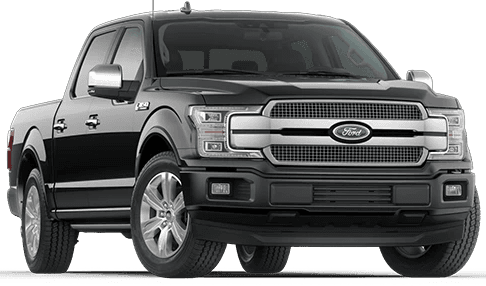
Eight years of use had polished the top of the steering wheel in my 2018 Ford F-150 to a shine no interior cleaner could remove. The leather had not failed, exactly. It had simply surrendered.
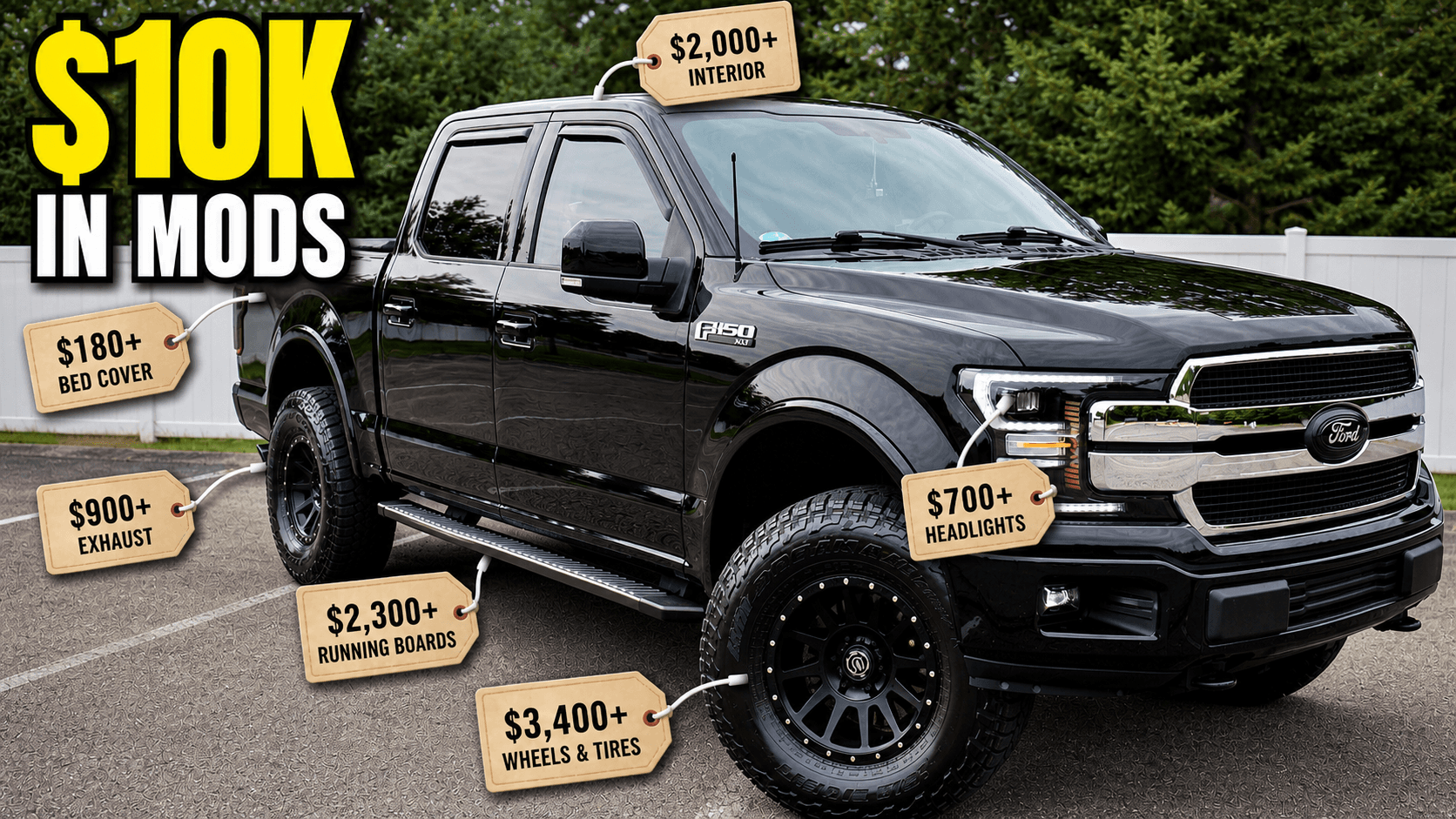
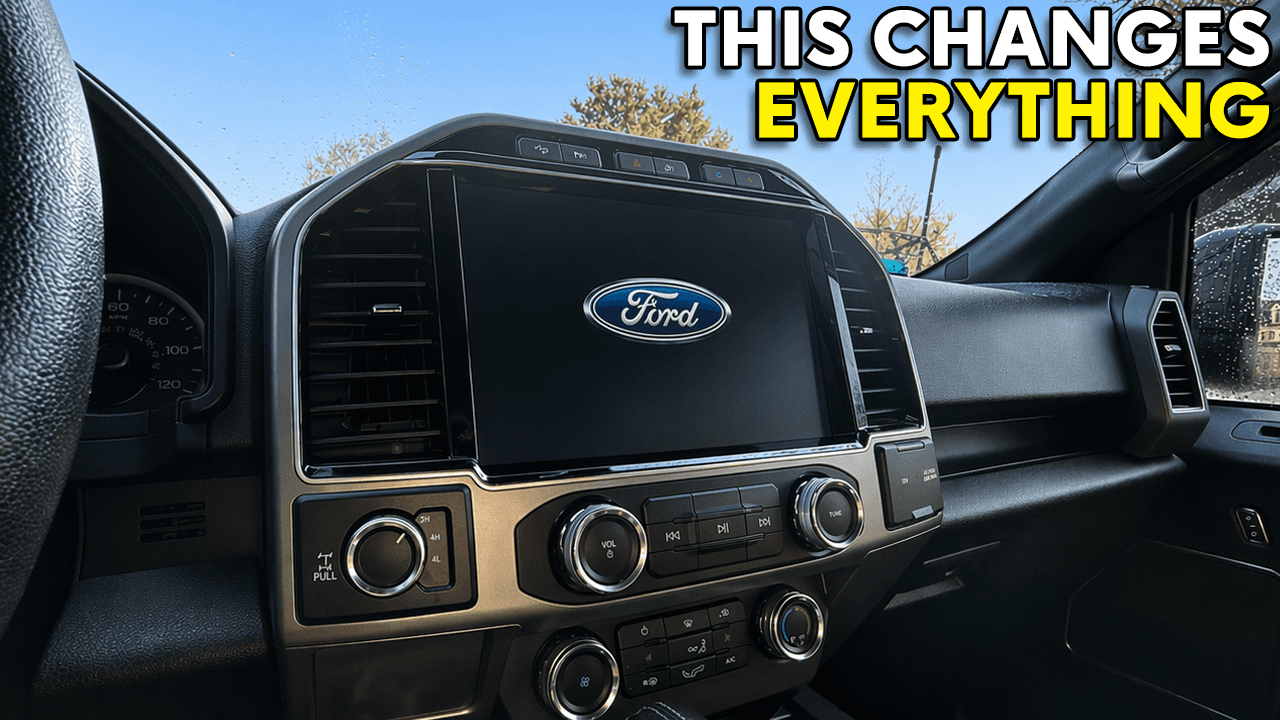
The wheel still performed its primary responsibility of telling the front tires where to go, but it no longer felt particularly good doing it. Against the other changes I had made to the truck’s interior, it looked thin, tired, and increasingly out of place.
It was time for something new.
A Better Place to Put Your Hands
Aftermarket steering wheels tend to fall into two categories. Some look nearly indistinguishable from the factory part. Others arrive with carbon fiber, bright stitching, center stripes, and enough visual aggression to suggest your pickup spends its weekends chasing lap times.
I wanted something between those extremes.
The wheel I found on eBay has smooth leather across the top, perforated leather along the sides, black stitching, a flat bottom, and a noticeably thicker grip. It looks different enough to justify the effort, but restrained enough to belong in an F-150 XLT.
This is not a race truck. I saw no reason for its steering wheel to dress like one.
The wheel cost approximately $200 when I ordered it and arrived quickly. It included the structure and leather wrapping, but the factory buttons, trim, wiring harness, and airbag all needed to migrate from the original wheel.
The other half of the project came from AutoLEDTech: a custom leather airbag cover with contrasting stitching and a Cobra emblem. It also cost around $200, though its made-to-order construction meant waiting approximately six weeks for it to arrive.
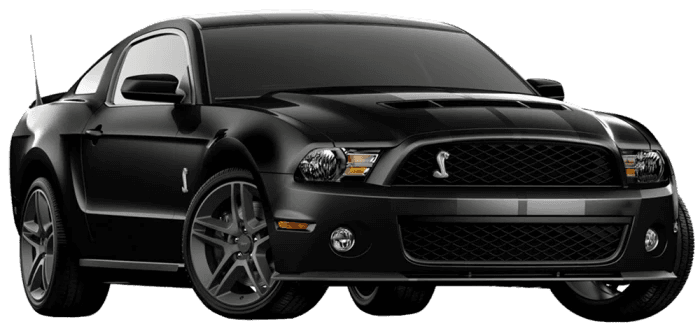
The Cobra is not an attempt to pass the F-150 off as something from Shelby American. It is there because of my dad’s 2012 Shelby GT500, which I inherited after he passed away. That car is the most important possession I own. Carrying a small piece of its identity into the truck felt like a fitting tribute.
The plan sounded reasonable. Remove one steering wheel, transfer the necessary parts, replace the airbag cover, and put everything back together.
Plans always sound reasonable before the tools come out.
The First Wrong Tool
Before touching the steering wheel, I disconnected the negative battery terminal and allowed the truck to sit. Most interior projects involve plastic clips that punish mistakes with an annoying rattle. An airbag can express its displeasure more forcefully.
Ford secures the airbag assembly with spring clips accessed through small openings on either side of the wheel. I inserted an Allen wrench that appeared to fit and began searching for the release.
Nothing happened.
I adjusted the angle. I pushed harder. I moved the tool around while convincing myself that the spring had to be directly in front of me.
It was not.
The Allen wrench could enter the access hole, but it was slightly too large to engage the spring correctly. After far too much frustration, I tried a smaller one. The airbag released almost immediately.
There is a particular humility in discovering that a difficult job was only difficult because you chose the wrong tool.
With the airbag disconnected, I removed the center fastener, released the remaining electrical connection, and pulled the factory wheel from the steering column.
Sitting next to its replacement, the original wheel suddenly looked even more tired. The aftermarket wheel was thicker through the rim, more sculpted around the thumb rests, and covered in fresh leather that had not yet been polished by thousands of miles of use.
The factory buttons, trim, and wiring all transferred to the new wheel, though not without another moment of uncertainty. The replacement did not have the original access holes for releasing the airbag.
Instead, it uses removable side panels. With the wheel installed and turned fully left or right, the screws for those panels remain accessible. The wheel could still be disassembled in the future.
I appreciated knowing that, even as I hoped never to prove it.
Four Bolts and a Healthy Imagination
Airbags are remarkably ordinary-looking objects until one is sitting loose on your workbench. Then it becomes the only object in the room.
Transferring the factory airbag module into the new leather cover required removing four bolts. Mechanically, it was among the simplest parts of the entire project. Psychologically, it felt like bomb disposal performed by someone who had missed the orientation seminar.
Every turn of the wrench produced another thought about what an airbag does when it is no longer quietly hidden in a steering wheel.
The concern was disproportionate to the complexity of the work, but not entirely misplaced. Supplemental restraint components deserve respect. This was also my first time handling one so closely, which gave my imagination plenty of room to work.
Once separated, the difference between the two covers was striking. The factory cover looked like what it was: a large piece of molded plastic placed prominently in the driver’s line of sight.
The replacement looked like part of a more carefully considered interior. Its leather and stitching complemented the seats and other upgrades inside the truck, while the Cobra emblem added a detail whose meaning extended beyond appearance.
I secured the airbag module inside the new cover, installed the replacement wheel, connected the wiring, and tightened everything into place.
The most intimidating part of the project was over.
Or so I thought.
The Dashboard Reviews My Work
The truck started normally.
Nothing deployed. Nothing smoked. No warning lights appeared. For several minutes, it seemed I had completed the project without creating a second, more expensive project.
Then I moved the truck to film the finished interior.
The airbag warning light came on. So did the check engine light.
There are moments during any automotive project when the vehicle appears to be reviewing your workmanship. It tends to deliver its criticism through illuminated symbols and without offering constructive suggestions.
I shut the truck down, disconnected the battery again, and waited. Then I removed the new wheel’s side panels, released the airbag cover, and inspected the connections.
The problem was far less dramatic than the scenarios running through my head. The connectors looked attached, but they were not completely seated.
I reconnected everything, verified that each plug and retainer was fully locked, and assembled the wheel for a second time. The warning lights cleared, and the truck returned to normal.
My confidence took slightly longer.
The episode was a useful reminder that electrical connectors operate in a binary world. They are either fully connected or they are not. “That looks about right” is not one of the available settings.
What I Would Change
If I repeated the project, I would begin with the correct tool for releasing the factory airbag. That simple mistake turned a quick step into an unnecessarily frustrating one.
I would also verify every electrical connection before pressing the airbag cover into place. A few additional seconds spent checking the plugs would have prevented the warning lights and a complete second round of disassembly.
Finally, I would try to spend less time imagining an airbag-related catastrophe. Caution was appropriate. Mentally preparing for the truck to explode was less productive.
Was It Worth the Stress?
Yes.
The difference is noticeable every time I drive the truck. The thicker rim feels better in my hands, the perforated leather adds texture where I naturally grip the wheel, and the more sculpted shape makes the factory part feel surprisingly basic by comparison.
The leather airbag cover completes the transformation. Replacing that large piece of visible plastic made a greater difference than I expected. The Cobra emblem gives it personal meaning, but the quality of the leather and stitching is what makes the entire assembly feel more premium.
Together, the two parts cost approximately $400 when I purchased them. Prices may have changed, but that remains a relatively modest investment for an upgrade the driver touches and sees every time the truck moves.
Would I call the installation enjoyable? No.
Would I volunteer to transfer another airbag tomorrow? Also no.
But the best interior modifications eventually stop feeling like modifications. They look and feel as though they should have been there from the beginning.
The warning lights were temporary. The improvement is there every time I climb into the truck.
It was worth the stress.
Products Featured
Flat-bottom F-150 steering wheel
AutoLEDTech custom airbag cover
View every modification installed on my 2018 Ford F-150
Watch the Complete Episode
Watch the complete installation, including the warning-light scare, in New Steering Wheel. New Airbag Cover. New Warning Lights.
Important Safety Note
This article and accompanying video document my personal experience. They are not installation instructions or professional advice. Airbag and supplemental restraint system components can cause serious injury if handled improperly. Consult the appropriate Ford service information or a qualified professional before performing this type of work.